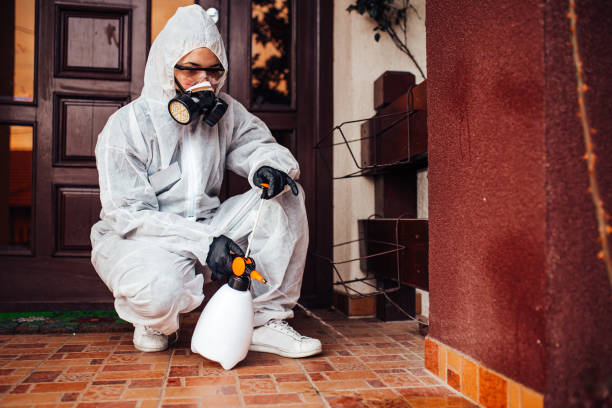
A few roaches under the sink at night is normal pest pressure; roaches active in daylight or clustered near the stove usually means an established colony, and that's exactly what our Cockroach Control protocol is built to clear.
We check behind appliances, under sinks, and inside cabinet voids for oothecae and fecal spotting before quoting a treatment plan.
Every technician treating Fort Dodge properties for cockroaches carries state pest-control licensing and full liability coverage.
We keep dispatch slots open specifically for active infestations, because roach colonies double in size fast.
Pricing is based on infestation severity and unit count, quoted before any gel or IGR is applied.
We use gel bait stations, IGR (insect growth regulator), and sticky monitors to track population decline visit over visit.
German cockroaches cluster near water and heat — behind the fridge, under the dishwasher, inside cabinet hinges — and our gel bait placements target those exact voids.
Larger American cockroaches typically enter through drains, sewer lines, and basement gaps, so treatment includes drain-area gel placement and exterior perimeter barrier.
A single spray kills visible roaches but leaves the ootheca intact — our protocol specifically targets the full life cycle, not just adults.
Fort Dodge restaurants and food-service kitchens get discreet, scheduled gel and monitor programs with documentation for health inspections.
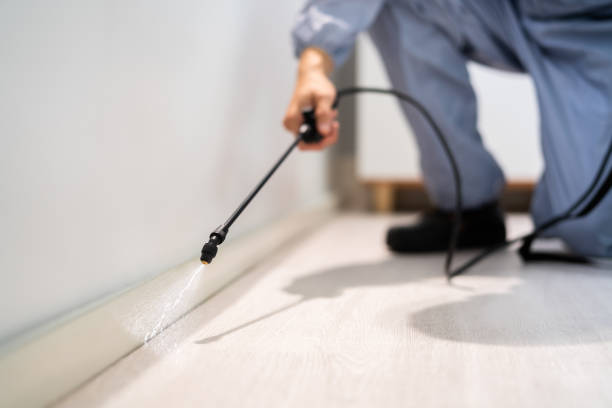
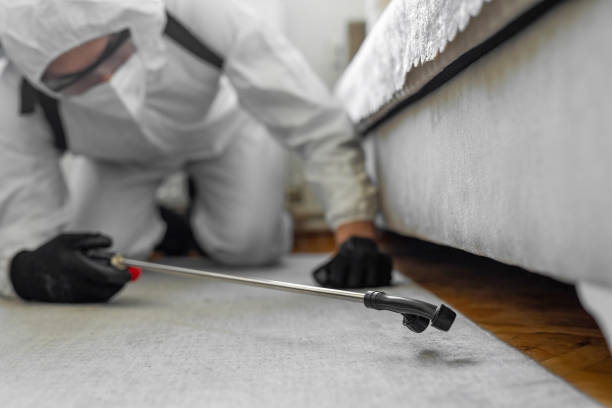
Roaches hide in cabinet seams and baseboard gaps too narrow for a spray nozzle — our injectors reach directly into those voids.
A second visit two to three weeks out confirms the colony is declining and adjusts bait placement if needed.

Tell our dispatcher where you've spotted activity; roach calls get fast-tracked given how quickly colonies grow.
Our mobile units carry cockroach-specific product, so there's no return trip needed to grab the right materials.
Inspection includes cabinet voids, appliance motors, and drain areas, with species ID driving the treatment plan and price.
Bait and IGR go down the same visit, with a scheduled follow-up to confirm population decline and re-treat any remaining hot spots.
We'd sprayed everything from the store and nothing worked. The Nex Pest Control tech found the ootheca cluster behind our fridge motor — that was the actual source.
Our restaurant needed a documented roach program fast after a near-miss on a health inspection. Nex Pest Control had gel stations placed within a day and logs ready for the next visit.
The technician explained the difference between killing roaches and killing the colony. That distinction is exactly what fixed our problem.

No matter which Fort Dodge neighborhood you're in, a technician equipped for cockroach-specific treatment can reach you the same day.

A DIY spray also drives roaches deeper into walls rather than eliminating the harborage, which is why professional gel and IGR placement works differently.
Daylight sightings are one of the clearest signs of an established, overcrowded colony rather than a handful of stragglers.
Visible activity typically drops noticeably within one to two weeks, with full population decline confirmed at the follow-up visit.
Yes — gel bait and IGR placements are applied in cracks and voids, not on food-contact surfaces, and we'll walk you through any re-entry timing.
Commercial programs include documented service logs and scheduled monitoring visits to satisfy health inspection requirements.
Our guarantee covers a free re-treat if activity continues past the stated window on your service agreement.
Call +1-866-315-0243 for a same-day inspection and flat-rate quote.
Call +1-866-315-0243